
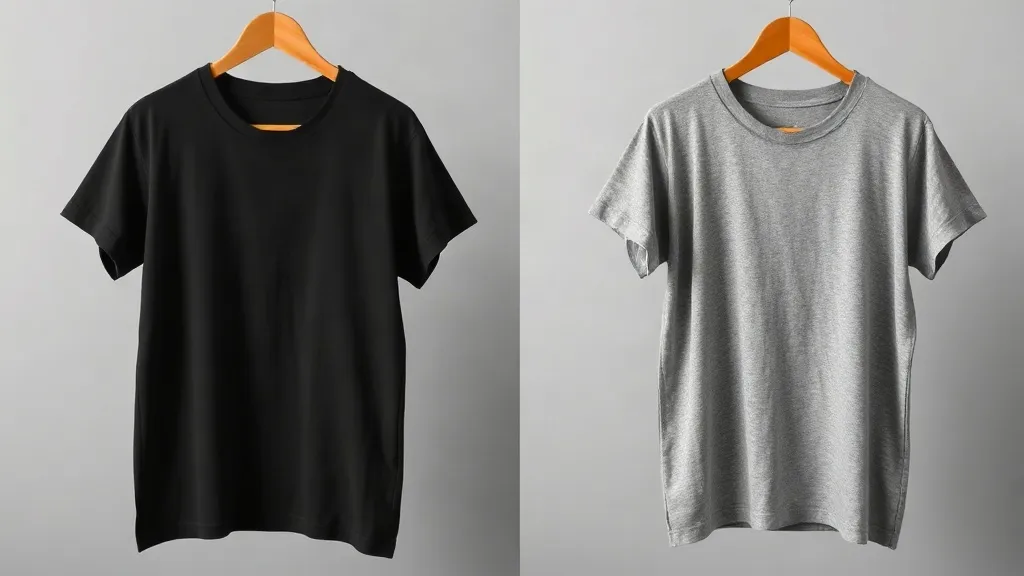
Walk into any print shop that handles custom apparel and you'll hear the same debate: which blank gives you the best combination of quality, price, and printability? For years, shaka wear has been a staple for streetwear and heavyweight tees, while smart blanks have gained traction among brands looking for a reliable, budget-friendly option that doesn't skimp on softness. If you're building a custom apparel line, the choice between these two can shape everything from your profit margins to how your DTF transfers look and feel after a dozen washes.
This article breaks down the differences between Shaka Wear and Smart Blanks across the factors that matter most: fabric weight and feel, fit and sizing consistency, pricing and value, and how each performs with DTF printing. By the end, you'll have a clearer idea of which blank aligns with your brand's identity and production needs.
Fabric Weight and Hand Feel
The first thing you notice about any blank is how it feels in your hand. Shaka Wear is known for its heavyweight cotton tees, often in the 6.0 to 6.5 oz range, with a dense, structured feel that holds its shape well. This makes it a favorite for streetwear brands that want a tee with substance, something that feels premium and hangs just right. The fabric is typically 100% cotton, and the surface is smooth enough for crisp DTF prints but textured enough to hide minor imperfections.
Smart Blanks, on the other hand, tend to sit in a slightly lighter weight category, often around 5.0 to 5.5 oz. They're softer out of the box, with a more relaxed drape that appeals to brands targeting a casual, everyday wear vibe. The lighter weight doesn't mean lower quality; Smart Blanks are still durable and hold up well to washing, but they offer a different tactile experience. If your customers prefer a tee that feels broken-in from day one, Smart Blanks might be the better fit.
Which weight is right for your brand?
Consider your target audience. If you're selling to streetwear enthusiasts who associate heavy cotton with quality, Shaka Wear's heft will resonate. If you're catering to a broader market that values comfort and versatility, Smart Blanks' lighter, softer feel could win more repeat customers. There's no wrong answer, but aligning fabric weight with your brand's story is key.
Fit, Sizing, and Consistency
Fit is where the two blanks diverge even more. Shaka Wear tees typically have a boxy, modern cut with a slightly longer body and wider sleeves. This silhouette is intentional: it's designed to look good on a range of body types and to accommodate layering. For brands that want a relaxed, streetwear-inspired look, Shaka Wear delivers. However, the boxy fit can run large, so ordering sample sizes before committing to a bulk order is wise.
Smart Blanks offer a more traditional, slightly tapered fit. The shoulders are narrower, and the body is a bit more contoured, which many customers find flattering. Sizing tends to run true to size, and consistency across colors and batches is generally reliable. That consistency matters when you're printing the same design across multiple sizes and colors; unexpected shrinkage or fit variations can lead to returns and unhappy customers.
The importance of sample testing
No matter which blank you choose, always print and wash a few samples before scaling up. DTF transfers can behave differently on various fabric blends and weights. A 6.5 oz Shaka Wear tee might require slightly different pressing parameters than a 5.0 oz Smart Blanks tee. Testing ensures your prints adhere properly and survive real-world wear.
Pricing and Value
For many small brands, price is the deciding factor. Shaka Wear blanks typically command a higher price point due to their heavier weight and premium positioning. That higher cost can be justified if your brand sells at a premium and your customers expect a heavier tee. But if you're operating on tight margins or selling at a lower price point, the cost difference can eat into your profits.
Smart Blanks are generally more affordable, making them attractive for startups and brands that need to keep costs down. The lower price doesn't mean compromising on quality; Smart Blanks are still well-made and print well. For high-volume orders or promotional products where cost per unit is critical, Smart Blanks often make more sense.
Calculating your break-even
Before you decide, calculate your break-even point for each blank. Factor in the cost of the blank, the DTF transfer, your time, and any overhead. Then compare that to your selling price. Sometimes a slightly more expensive blank allows you to charge a higher retail price, resulting in better margins. Other times, the cheaper blank lets you offer a competitive price that drives volume. There's no one-size-fits-all answer.
Print Performance with DTF Transfers
DTF printing has become the go-to method for custom apparel because it works on a wide range of fabrics and produces vibrant, durable prints. But not all blanks are equal when it comes to DTF adhesion and longevity. Shaka Wear's tight knit and smooth surface provide an excellent canvas for DTF transfers. The heavier fabric can handle the heat press without scorching, and the prints adhere well, even on darker colors where a white underbase is used.
Smart Blanks also perform well with DTF, but their lighter weight means you need to be more careful with pressing temperature and pressure. Too much heat can cause shrinkage or scorching, especially on lighter colors. However, once dialed in, Smart Blanks hold prints nicely, and the softer fabric allows the print to flex with the garment, reducing cracking over time.
Wash durability
Both blanks can produce prints that survive dozens of washes if applied correctly. The key is proper curing and following the transfer supplier's instructions. With Shaka Wear, the heavier fabric may require slightly longer pressing to ensure the adhesive fully penetrates the fibers. With Smart Blanks, a lower temperature and shorter press might be sufficient. Always do a wash test on a sample before committing to a large run.
Which Blank Should You Choose?
The decision ultimately comes down to your brand's identity and your customers' expectations. If you're building a premium streetwear label that emphasizes quality and structure, Shaka Wear is likely the better choice. Its heavyweight fabric and boxy fit have become synonymous with modern street style, and the higher price point can be passed on to customers who value that aesthetic.
If you're targeting a broader audience with a focus on comfort, versatility, and value, Smart Blanks offer a compelling alternative. Their softer feel and lower cost make them ideal for everyday wear, promotional items, and brands that want to maximize margins without sacrificing quality.
Many successful apparel brands actually use both: Shaka Wear for their premium line and Smart Blanks for their core or budget line. This approach allows you to cater to different customer segments and price points without diluting your brand identity.
Frequently Asked Questions
Are Shaka Wear blanks true to size?
Shaka Wear tees tend to run slightly large due to their boxy, relaxed fit. If your customers prefer a more fitted look, consider sizing down or offering a size chart that accounts for the looser cut. Always order samples to confirm sizing before a bulk order.
Can I use Smart Blanks for DTF printing?
Yes, Smart Blanks work well with DTF transfers. However, because they are lighter weight, you'll need to adjust your heat press settings to avoid scorching or shrinkage. Lower temperatures and shorter press times are usually recommended. Always perform a wash test to ensure durability.
Which blank is more cost-effective for small batches?
Smart Blanks are generally more affordable, making them a better choice for small batches or startups with tight budgets. However, if your brand positioning supports a higher price point, the extra cost of Shaka Wear may be worth it for the premium feel.
Do Shaka Wear and Smart Blanks offer similar color options?
Both brands offer a wide range of colors, but availability can vary by style and season. Shaka Wear tends to have a strong core color palette with some fashion shades, while Smart Blanks may offer a broader selection of basic colors. Check current inventory with your supplier.
How do I ensure my DTF prints last on these blanks?
Proper application is key: follow the transfer supplier's instructions for temperature, pressure, and time; use a heat press rather than an iron; and cure the print thoroughly. Wash garments inside out in cold water and avoid fabric softener to extend print life.