
When you first start offering dtf transfers, the excitement of vibrant, full-color prints can quickly give way to a tangle of numbers. How much should you charge? Why do some orders barely break even? The answer often lies in two things: how you price your transfers and how you build your gangsheets. Get those right, and you turn a side hustle into a sustainable business.
I've spent years working with small print shops and apparel brands, and I've seen the same mistakes repeat: underpricing, overordering, and wasting film. This guide is not about theory. It's about the practical decisions that affect your bottom line every day. We'll walk through pricing models, gangsheet strategies, and the profit levers most people overlook.
The Real Cost of a DTF Transfer
Before you can price, you need to know your cost. Many shops calculate only the cost of the transfer itself, but that's just the beginning. Let's break down the actual expenses involved in producing a dtf transfer.
Materials
Film, ink, and powder are your primary consumables. Film costs vary by quality and thickness; cheap film can save pennies but cost you in misprints. Ink is a major factor, especially if you print high-coverage designs. Powder adds a few cents per print but is essential for durability. Don't forget the shirt itself if you're selling finished garments.
Equipment and Maintenance
Your printer, shaker, and heat press all depreciate. Maintenance kits, print heads, and capping stations are not free. A common mistake is to ignore these costs until a major repair hits. Allocate a per-print fee for equipment wear and tear. For example, if your printer costs $5,000 and you expect 50,000 prints before replacement, that's $0.10 per print just for the machine.
Labor
Time is money. Designing, printing, powdering, curing, and pressing all take time. Even if you do it yourself, your hour has value. Track how long each step takes and assign an hourly rate. Many small shops undercharge because they don't count their own time. If you spend 10 minutes on a transfer and your time is worth $20/hour, that's $3.33 in labor alone.
Overhead
Rent, utilities, software subscriptions, and marketing all contribute. Divide your monthly overhead by the number of transfers you produce to get a per-unit overhead cost. This is often the missing piece that makes the difference between profit and loss.
Add all these up, and you have your true cost per transfer. Only then can you set a price that ensures profit.
Pricing Models That Work
There's no one-size-fits-all pricing strategy, but here are three models that have worked for shops I've worked with.
Cost-Plus Pricing
This is the simplest: take your total cost and add a markup. A common markup is 50% to 100%, but that depends on your market. For example, if your cost is $2.00 per transfer, you might charge $4.00. This model ensures you cover costs, but it doesn't account for perceived value. If your designs are premium, you might be leaving money on the table.
Value-Based Pricing
Here, you price based on what the customer is willing to pay. Custom apparel with a unique design can command higher prices. Consider the end product: a shirt with your transfer might sell for $25. If your transfer costs $5, that's 20% of the retail price, which is reasonable. But if the shirt sells for $50, you might charge $10 and still be a bargain. Know your customer's resale value.
Tiered Pricing
Offer volume discounts to encourage larger orders. For instance, charge $5 per transfer for 1-9, $4 for 10-49, and $3 for 50+. This incentivizes bigger orders and helps you plan production. But be careful: don't discount so much that you lose profit. Calculate your margins at each tier.
Whatever model you choose, review it regularly. Costs change, and so does the market.
Gangsheet Strategies for Maximum Efficiency
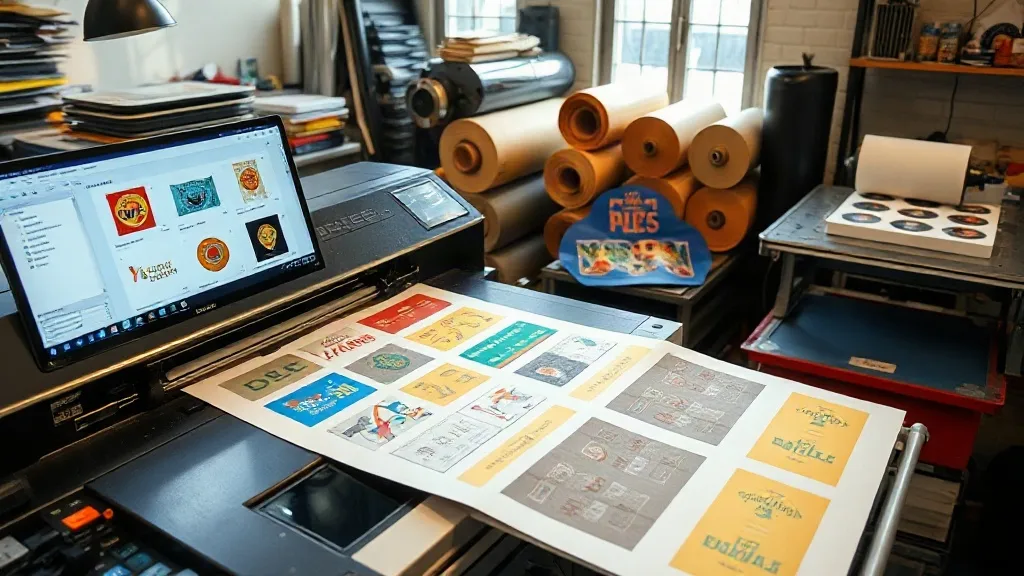
A gangsheet is a large sheet where you place multiple designs to print at once. It's the secret to reducing waste and saving time. But building an efficient gangsheet requires planning.
Nesting 101
Nesting is the art of arranging designs to use as little film as possible. Start with the largest designs and fit smaller ones around them. Rotate designs if necessary. Software can help, but even manual nesting can yield big savings. I've seen shops reduce film use by 30% simply by rearranging their layouts.
Standard Sizes
Most film comes in standard widths, like 13, 17, or 24 inches. Design your gangsheets to fit these widths without trimming. If you consistently print on 13-inch film, create templates that maximize that width. Avoid leaving large empty margins.
Grouping by Color
If you're printing multiple designs, group those with similar color profiles. This reduces ink changes and improves color consistency. For example, if you have several designs with heavy black, print them together.
Batch Production
Instead of printing one transfer at a time, batch orders. If you have several customers waiting, combine their designs into one gangsheet. This saves setup time and reduces waste. But communicate lead times clearly so customers know when to expect their orders.
Remember, a well-built gangsheet is a profit multiplier. It lowers your cost per transfer and increases your output.
Profit Levers Most Shops Ignore
Beyond pricing and gangsheets, there are other ways to boost profit.
Upselling and Cross-Selling
Offer related products: extra transfers, larger sizes, or rush service. Many customers appreciate the convenience and are willing to pay more. For example, if someone orders a gangsheet, ask if they need matching shirts. You can become a one-stop shop.
Reduce Misprints
Misprints eat into profit. Invest in training, maintain your equipment, and use quality materials. A single misprint can wipe out the profit from several transfers. Keep a log of defects and address root causes.
Negotiate Supplier Prices
As your volume grows, negotiate better rates with your suppliers. Even a 5% discount on materials can significantly improve margins. Don't be afraid to ask.
Offer Customization
Personalization is a premium service. Offer names, numbers, or custom artwork for an extra fee. Many customers are happy to pay for uniqueness.
Finding Reliable DTF Transfers Near Me
If you're outsourcing your transfers, finding a reliable supplier is crucial. Searching for dtf transfers near me can help you locate local providers who can offer faster turnaround and lower shipping costs. But don't just pick the first result. Ask for samples, check reviews, and compare pricing. A good supplier should offer consistent quality and clear communication. Building a relationship with a local supplier can also lead to flexible terms as your business grows.
Frequently Asked Questions
How do I calculate the cost per DTF transfer?
Add up materials (film, ink, powder), equipment depreciation, labor, and overhead, then divide by the number of transfers produced. Don't forget to include a margin for waste.
What is the best way to build a gangsheet for maximum profit?
Use nesting software or manual arrangement to minimize film waste. Group designs by color and size, and batch orders to fill the sheet completely. Avoid empty spaces.
Should I charge by the transfer or by the gangsheet?
Both models work. Charging by the gangsheet can simplify pricing for customers who order multiple designs, while per-transfer pricing is better for small orders. Offer both options.
How can I reduce misprints in DTF printing?
Regular maintenance, quality supplies, and proper training are key. Also, ensure your printer settings are correct for each film type and design.
Is it better to outsource DTF transfers or print in-house?
It depends on your volume and expertise. Outsourcing can be cost-effective for small shops, while in-house gives you more control. Start by outsourcing and transition to in-house as you scale.