
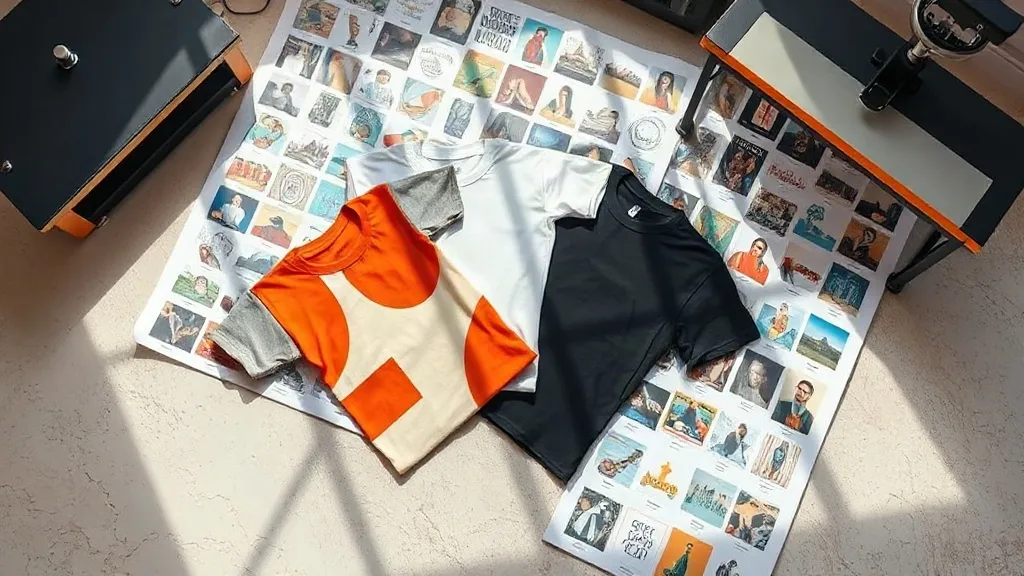
A custom shirt can look like a five-dollar giveaway or like something a customer photographs and posts without being asked. The difference rarely comes down to the artwork alone. It comes down to the blank, the print method, the color of the ink against the fabric, and whether anyone bothered to test the wash. Bolds Media built its business around that gap between a design file and a garment someone actually wants to wear, and this guide walks through how their custom apparel service works in practice so you can brief a run with confidence.
What Bolds Media Actually Does
Bolds Media is a print and apparel operation that handles small-batch and mid-volume custom work: tees, hoodies, totes, and the kind of branded merchandise that shows up at events, in online stores, and in team photos. The core offer is straightforward. You bring a design, choose a garment, and they handle transfer production and pressing. What separates a good run from a frustrating one is understanding the pieces involved before you send anything to production.
Their catalog leans on reputable blanks, including a strong lineup of shaka wear tees and streetwear cuts. That matters more than most buyers expect. A heavyweight cotton tee holds a transfer differently than a thin poly blend, and the same artwork can look crisp on one and muddy on the other. Choosing the blank first, then designing for it, saves a lot of reprints.
Where the Print Quality Comes From
Most of the work is DTF, or direct-to-film. A design is printed onto a film, powdered with adhesive, cured, and then heat-pressed onto the garment. The advantage is that it works on almost any fabric, including the cotton-heavy blanks that screen printing struggles with on small runs. It also means no setup fees for extra colors, which is why small shops and one-off projects can afford it.
The catch is that DTF rewards good preparation. A file exported at the wrong resolution, stretched to fit a print area, or built with thin white lines on a dark shirt will show every flaw. Bolds Media's production team works from gangsheets, which is where the workflow gets interesting.
Using a DTF Gangsheet Builder to Cut Costs
A gangsheet is a single large film packed with multiple designs, arranged to waste as little space as possible. Instead of paying for a separate film per design, you fill one sheet and pay by the sheet. For anyone running a small store, a team order, or a batch of event shirts with different logos, this is the single biggest lever on cost per unit.
A DTF Gangsheet Builder makes that packing process visual. You upload artwork, drag it onto a sheet template, scale each piece to the exact print size you need, and see the layout before it goes to press. No guessing whether a logo will fit, no surprise about how much empty film you paid for.
How to Pack a Sheet Without Regret
- Measure the actual print area on the garment, not the artwork canvas. A chest print on a medium tee is smaller than most people assume.
- Leave a small margin between designs so the cutting step stays clean and edges do not bleed into each other.
- Group pieces by color and fabric. Dark garments and light garments often need different film treatment, and mixing them on one sheet complicates pressing.
- Rotate odd-shaped artwork to fill gaps rather than leaving empty corners.
- Double-check resolution before uploading. A 72 dpi logo will look soft at any size, and no amount of careful packing fixes that.
The DTF Gangsheet Builder is genuinely useful for a first-time buyer because it turns a technical production step into something you can see. If you have ever ordered transfers and been surprised by the final size, this solves that specific problem.
Choosing a Blank That Suits the Design
Blank selection is where most custom apparel projects quietly succeed or fail. A few practical rules of thumb from people who press transfers every week:
Weight and Hand Feel
Heavier cotton, in the 5.5 to 7 ounce range, holds a transfer well and keeps its shape after washing. Lighter shirts feel great in summer but can show the edges of a large print over time. For retail or resale, go heavier. For giveaways or one-day events, lighter is fine and cheaper.
Color and Contrast
White ink on a black shirt needs a proper underbase or the color will look thin. On the flip side, dark ink on a white tee is the most forgiving combination you can choose. If a design has fine detail, put it on a light garment. If it is bold and graphic, dark garments are your friend.
Fit and Cut
Streetwear buyers care about drape. A boxy, slightly oversized cut reads as current, while a slim fit reads as corporate merch. The shaka wear range covers both directions well, which is why it shows up so often in small brand drops. Pick the silhouette before you pick the artwork, because a design built for a wide print area looks cramped on a slim tee.
Briefing a Print Run: A Short Checklist
Most complaints about custom apparel trace back to a vague brief rather than bad production. Before you send files, confirm the following:
- Exact print dimensions in inches or centimeters for each placement.
- Garment style, color, and size breakdown, including a note on whether you want any oversizing.
- File format with a transparent background and at least 300 dpi at final print size.
- Color expectations, especially for brand colors that must match a specific reference.
- Deadline and shipping address, with a buffer for pressing and packing.
A quick mockup on a photo of the actual garment is worth the extra ten minutes. It catches placement errors, size mismatches, and color clashes before any film is printed. Bolds Media's team can advise on this, but the clearer your brief, the fewer rounds of back-and-forth.
Testing Before You Scale
Order one or two samples before committing to a full run. Wash one inside out, on a normal cycle, and check it after. A good DTF transfer survives dozens of washes if it was pressed at the right temperature and pressure. If the edges start lifting after two cycles, something in the process was off, and it is far cheaper to find that out on two shirts than two hundred.
Also test how the print feels. Some buyers expect a soft, almost printless hand feel and are surprised by the slight texture of a transfer. That texture is normal, but if it matters for your product, mention it early so the production team can adjust the film weight or press settings.
Common Questions About Custom Apparel and Gangsheets
How many designs can fit on one gangsheet?
It depends entirely on size and shape. A sheet packed with small chest logos might hold dozens of pieces, while a few large back prints could fill it with three or four. The builder shows the remaining space as you place each design, so you can adjust scale and rotation until the sheet is full without overlapping.
Is DTF suitable for polyester and blends?
Yes, and this is one of its main advantages over screen printing. DTF adheres well to cotton, polyester, and blends, and it handles synthetic fabrics that would otherwise need special inks. Press temperature and time may need small adjustments, so tell the production team what fabric you are using.
Can I mix different garment colors in one order?
You can, but plan the sheet accordingly. Grouping designs by garment color keeps pressing efficient and reduces the risk of mismatched film. If you are ordering both black and white tees with the same logo, mention it in the brief so the layout accounts for it.
What file resolution do I need for a sharp print?
Aim for 300 dpi at the final print size. A file that looks fine on screen at 20 inches wide can still print soft if it was designed at a small canvas and scaled up. Vector files are ideal for logos; high-resolution PNGs with transparent backgrounds work well for everything else.
How long does a typical order take?
Turnaround depends on quantity, garment availability, and whether your files are print-ready on arrival. Small runs usually move quickly, while larger orders with multiple sizes and colors need more pressing time. Ask for a timeline when you place the order and build in a few days of buffer if you have a hard event date.
Custom apparel is a surprisingly detail-heavy craft, but none of the details are secret. Pick the right blank, pack your gangsheet carefully, brief clearly, and test before you scale. Do those four things and the finished shirt will look like it was made on purpose, which is exactly what makes people wear it more than once.