
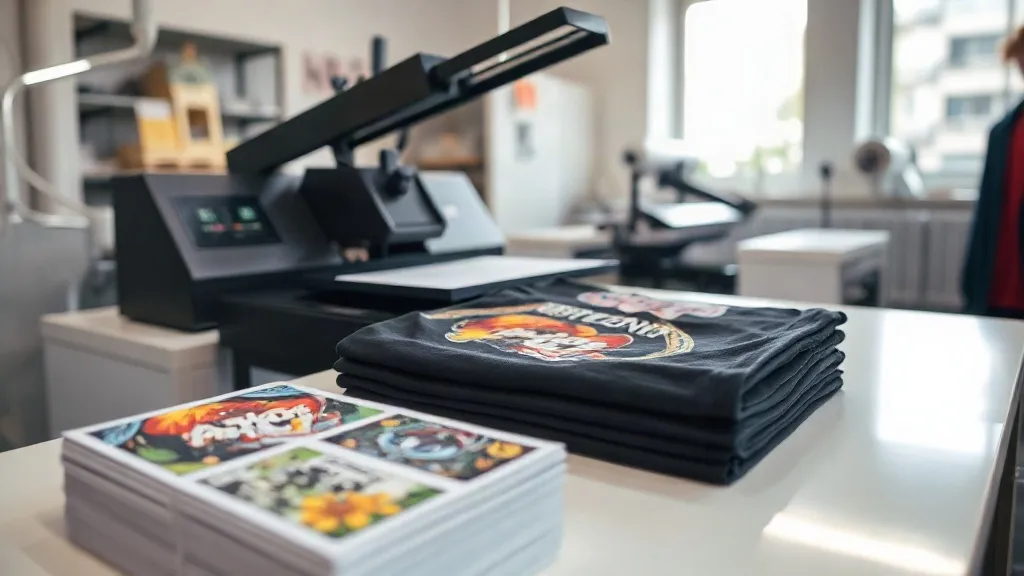
Walk into almost any custom apparel shop and you'll hear a familiar story: the heat press sits idle for hours, the vinyl cutter gathers dust, and the DTF printer runs only when a customer specifically asks for it. Meanwhile, the shop owner is convinced that DTF is a niche service, a nice-to-have for the occasional complicated order. That mindset leaves money on the table every single day. DTF transfers are not just another decoration method; they are one of the most flexible, low-overhead profit drivers a print shop can offer, and they deserve a permanent spot in your production lineup.
Why DTF Deserves a Front-Row Seat
DTF, or direct-to-film, has quietly become the Swiss Army knife of garment decoration. Unlike screen printing, it doesn't require a different setup for every color. Unlike sublimation, it works on dark fabrics and cotton blends. Unlike vinyl, it handles fine details and photographic gradients without weeding nightmares. That versatility means you can say yes to more jobs without buying more equipment or hiring more staff. And when you say yes more often, your revenue grows while your fixed costs stay flat.
The real magic, though, is in the workflow. A single dtf transfer can be produced in minutes, pressed in under a minute, and shipped the same day. That speed opens up opportunities for rush orders, small batches, and one-off custom pieces that would be unprofitable with other methods. If you've been treating DTF as an afterthought, you're leaving a steady stream of high-margin work on the table.
The Hidden Costs of Ignoring DTF
Every time a customer asks for a small run of custom shirts and you turn them away because the job is "too small for screen printing," you're not just losing that sale. You're losing the customer's future business, their referrals, and the chance to become their go-to shop for everything. DTF fills that gap perfectly. It lets you profitably handle orders of one to fifty pieces, which is exactly the range where many small businesses, sports teams, and event organizers live.
Moreover, DTF transfers near me searches are on the rise as more customers discover the technique. If your shop isn't visible for those searches, you're missing out on a growing market. The good news is that you don't need a massive marketing budget to capture that demand. A simple landing page, a few before-and-after photos on social media, and a clear service menu can put you on the map for local customers looking for dtf transfers near me.
Building a DTF Workflow That Prints Money
Turning DTF into a profit center starts with treating it like a product, not a favor. That means standardizing your process from order intake to shipping. Here's a simple framework that works for shops of any size.
1. Standardize Your File Prep
Inconsistent files are the biggest time sink in DTF production. Create a checklist for customers: 300 DPI, transparent background, no stray pixels, correct color mode. Offer a free template download on your website so they can submit print-ready art. For orders that need cleanup, charge a small art fee. This not only covers your time but also encourages customers to submit better files in the future.
2. Batch Your Printing
Instead of printing one transfer at a time, group jobs by film type and ink settings. Print all the orders that use the same film on the same day, then press them in batches. This reduces waste, speeds up production, and lowers your cost per transfer. If you're using a gangsheet builder, you can nest multiple designs onto a single sheet and cut your film waste even further. The key is to think in terms of sheets, not individual transfers.
3. Price for Profit, Not for Volume
Many shops underprice DTF because they compare it to vinyl or screen printing. But DTF offers value that those methods can't match: no color limits, no setup fees, and the ability to print on almost any fabric. Price accordingly. A good rule of thumb is to charge a base fee per transfer plus a per-square-inch rate, with discounts for larger quantities. Don't forget to factor in your film, ink, powder, and labor costs. A simple spreadsheet can help you calculate your true cost per transfer and set a healthy margin.
4. Market the Service Actively
Don't wait for customers to ask for DTF. Promote it as a solution to their problems. Create social media posts showing how DTF works on dark hoodies, polyester jackets, and even canvas bags. Offer a "sample pack" of transfers that customers can press themselves. Partner with local businesses that need uniforms or promotional apparel. The more you showcase the versatility of dtf transfers, the more orders you'll attract.
Upselling with DTF: Small Add-Ons, Big Returns
One of the easiest ways to boost your average order value is to offer DTF add-ons. When a customer orders a set of shirts, ask if they'd like a matching tote bag or a custom neck label. These small items cost you pennies in materials and minutes in production, but they add real value for the customer. You can also offer personalization, like a name or number on the sleeve, for a small upcharge. These add-ons are quick to produce with DTF and can significantly increase your profit per order.
Another profitable angle is to create your own line of ready-to-press transfers. Design a few evergreen graphics, print them in bulk, and sell them as individual transfers or as part of a starter kit. This turns your DTF printer into a product-generation machine, not just a service tool. Crafters and small businesses love these kits because they can press them at home without investing in a printer.
Quality Control: The Key to Repeat Business
DTF transfers are only as good as the final press. A perfectly printed transfer can fail if the pressing conditions are off. Train your staff on the correct temperature, pressure, and time for each fabric type. Keep a log of settings for different materials and update it as you learn. Always do a wash test on new blank styles before offering them to customers. When a customer receives a shirt that survives dozens of washes without cracking or fading, they'll come back for more. That repeat business is the backbone of a profitable shop.
Also, pay attention to the blanks you use. Not all garments are created equal, and some fabrics simply hold DTF better than others. Investing in quality blanks from trusted suppliers like Shaka Wear or Smart Blanks can reduce returns and increase customer satisfaction. When your transfers look great and last, your reputation grows, and so does your word-of-mouth referrals.
Common DTF Mistakes That Eat Your Profits
Even experienced shops fall into traps that erode margins. Here are a few to watch out for:
- Undercharging for small orders: A single shirt still requires file prep, printing, and pressing. Don't forget to factor in your time.
- Ignoring film waste: Nesting designs efficiently on a gangsheet can save you up to 30% on film costs.
- Using the wrong powder: Cheap powder can cause clogs and poor adhesion. Stick with reputable suppliers.
- Skipping wash tests: Always test new combinations of fabric and transfer before promising durability.
- Not tracking costs: Without knowing your true cost per transfer, you can't set profitable prices.
Address these issues head-on, and you'll see an immediate improvement in your bottom line.
Frequently Asked Questions About DTF Transfers
How do I find reliable DTF transfers near me?
Start by searching online for local suppliers and checking reviews. Look for shops that offer sample packs so you can test quality before committing to a large order. Ask about their turnaround time, minimum order quantities, and whether they provide technical support. If you're in a remote area, many reputable suppliers ship nationwide, so you're not limited to local options.
Can I use DTF transfers on any fabric?
DTF works on a wide range of fabrics, including cotton, polyester, blends, and even some nylons. However, results can vary. For best results, test on a small area first, especially with stretchy or coated fabrics. Some fabrics with heavy water-repellent finishes may require a special pretreatment.
What's the profit margin on DTF transfers?
Margins vary based on your pricing strategy and volume. Many shops aim for a 50-70% gross margin on DTF transfers. By batching orders and minimizing waste, you can push that higher. The key is to know your costs and price accordingly, not to compete solely on price.
How long do DTF transfers last?
When applied correctly, DTF transfers can last as long as the garment itself, often 50+ washes. Proper pressing and using quality materials are crucial. Always follow the manufacturer's instructions for temperature, pressure, and time.
Do I need a special printer for DTF?
Yes, DTF requires a printer that uses DTF inks and a powder shaker. However, if you don't want to invest in equipment, you can buy pre-printed transfers from a supplier and simply press them onto garments. This is a low-barrier way to offer DTF services without the capital expense.
DTF transfers are more than a trend; they're a practical, profitable addition to any print shop's offerings. By treating them as a core service, you can attract new customers, increase order values, and build a loyal following. The tools and knowledge are within reach, so why not start today?