
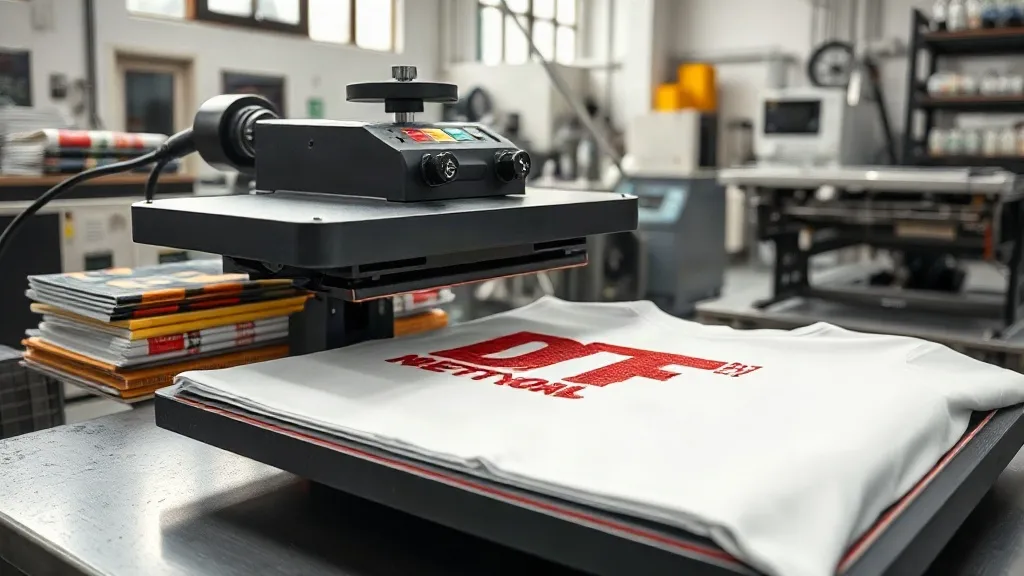
In the competitive world of custom apparel, print shops constantly seek methods that deliver vibrant, durable designs on a wide range of fabrics without breaking the bank. Direct-to-Film (DTF) transfers have emerged as a game-changer, offering unparalleled versatility and efficiency. Whether you're a seasoned pro or just starting out, understanding DTF transfers can elevate your business. In this guide, we'll explore what DTF transfers are, their advantages, the printing process, and how to choose the right supplies, including shaka wear blanks, to maximize your success.
What Are DTF Transfers?
DTF transfers are a type of heat-applied graphic produced by printing a design onto a special film, coating it with adhesive powder, and then curing it. The resulting transfer can be pressed onto garments using a heat press. Unlike other methods, DTF adheres to cotton, polyester, blends, and even difficult fabrics like nylon, making it incredibly versatile for custom apparel.
Why DTF Transfers Are Revolutionizing Custom Apparel
DTF transfers have rapidly gained popularity among print shops for several compelling reasons. Let's break down the key benefits that make DTF a standout choice.
Unmatched Fabric Versatility
One of the biggest advantages of DTF is its ability to bond with almost any fabric. Whether you're working with 100% cotton t-shirts, polyester performance wear, or blends, DTF delivers consistent, vibrant results. This flexibility means you can take on a wider variety of orders without investing in multiple printing technologies.
Cost-Effective for Small and Large Runs
DTF transfers are economical for both short and long production runs. There's no need for screens or setup fees, so you can profitably handle one-off custom pieces or bulk orders. The ability to gang multiple designs onto a single sheet further reduces material costs and waste.
Exceptional Durability and Washability
When applied correctly, DTF transfers withstand repeated washing without cracking, fading, or peeling. The prints remain soft to the touch and retain their color intensity, ensuring customer satisfaction and repeat business.
Simplified Workflow
With DTF, you can print transfers in advance and store them until needed. This streamlines production, reduces turnaround times, and allows you to offer rush services without scrambling. The process eliminates the need for weeding and masking, saving labor hours.
The DTF Printing Process Step by Step
Understanding the DTF workflow is essential for achieving professional results. Here's a breakdown of the key stages.
1. Design Preparation
Start with a high-resolution design. Remember that DTF prints white ink as a base, so designs with white elements will have a white underbase. Use RIP software to mirror the image and adjust color settings for optimal output.
2. Printing onto Film
Load the DTF film into your printer and print the design using DTF inks. The printer lays down CMYK colors followed by a white layer. Ensure the film is properly aligned and the printer settings are correct for your specific film type.
3. Powder Application
While the ink is still wet, apply hot melt adhesive powder evenly over the printed area. Shake off excess powder and return it to the container for reuse. This step is critical for the transfer's durability.
4. Curing
Place the powdered film in a curing oven or under a heat source to melt the powder. The film should appear slightly glossy and the powder should melt into the ink. Proper curing ensures the transfer adheres well and withstands washing.
5. Heat Pressing
Set your heat press to the recommended temperature (usually 300-320°F) and pressure. Place the transfer on the garment, cover with a protective sheet, and press for 10-15 seconds. Peel the film while hot or cold, depending on the film type. Follow the manufacturer's instructions for best results.
Choosing the Right DTF Supplies for Your Shop
The quality of your DTF transfers depends heavily on the supplies you use. Here's what to consider.
DTF Films
Select films that match your printer and application. Cold-peel films are popular for their ease of use, while hot-peel films can offer a softer hand. Ensure the film is compatible with your ink and powder.
DTF Inks
Use high-quality DTF inks designed for your printer. Inks vary in viscosity and curing characteristics, so consistency is key. Stick with reputable brands to avoid clogs and poor adhesion.
Adhesive Powder
Choose a fine, consistent powder that melts evenly. The particle size affects the feel and durability of the final print. Test different powders to find the one that works best for your workflow.
Heat Press
A reliable heat press with even pressure and accurate temperature control is essential. Look for presses with digital controls and a large platen to accommodate various garment sizes.
Maximizing Efficiency with Gang Sheets
For shops looking to scale, gang sheets are a game-changer. A gang sheet allows you to arrange multiple designs on a single large film, maximizing material usage and reducing waste. Using a DTF Gangsheet Builder tool can simplify the layout process, ensuring you fit as many designs as possible onto each sheet. This approach not only cuts costs but also speeds up production, allowing you to fulfill orders faster and increase profitability.
Blank Selection: The Foundation of Quality Prints
The garment you print on matters as much as the transfer itself. For consistent results, choose blanks that are smooth, clean, and compatible with DTF. Brands like shaka wear offer a range of high-quality blanks that take DTF transfers beautifully. Their fabrics are designed to hold prints well, ensuring vibrant colors and long-lasting wear. When sourcing blanks, consider fabric content, weight, and colorfastness to avoid issues like dye migration.
Common Challenges and How to Overcome Them
Even with the best supplies, you may encounter issues. Here are solutions to common DTF problems.
Poor Adhesion
If transfers peel, check your press settings: insufficient temperature, pressure, or time can cause weak bonds. Also, ensure the garment is free of moisture and wrinkles before pressing.
Faded or Dull Prints
Fading often results from under-curing the powder or using low-quality inks. Verify that the powder is fully melted and that your ink is within its shelf life.
Color Migration
On dark polyester, dye can migrate into the transfer over time. Using a quality DTF film with a blocking layer or adding a white underbase can prevent this.
DTF vs. Other Printing Methods
How does DTF stack up against screen printing, DTG, and vinyl? DTF offers a sweet spot: it's more cost-effective than DTG for small runs, more versatile than vinyl, and requires less setup than screen printing. It's an excellent choice for shops that need flexibility and speed.
Frequently Asked Questions
What fabrics can I use with DTF transfers?
DTF transfers work on cotton, polyester, blends, nylon, and even leather. They are not recommended for fabrics with special coatings or those that cannot withstand heat.
How long do DTF transfers last?
With proper application and care, DTF transfers can last as long as the garment itself, often 50+ washes without significant fading or cracking.
Can I print DTF transfers at home?
Yes, with the right equipment: a DTF printer, curing oven, powder, and heat press. Many small shops start with converted inkjet printers and gradually upgrade.
Do I need special software for DTF printing?
You'll need RIP software to manage color and white ink layering. Some printers come with dedicated DTF RIP software.
What is the best way to store DTF transfers?
Store unused transfers in a cool, dry place away from direct sunlight. Keep them flat to avoid creasing.
Conclusion
DTF transfers are transforming custom apparel printing by offering versatility, durability, and cost-efficiency. By mastering the process, choosing quality supplies, and leveraging tools like gang sheet builders, your shop can deliver outstanding results and stay ahead of the competition. Whether you're printing on shaka wear blanks or other premium garments, DTF technology opens up a world of possibilities for creative, profitable custom apparel.